
The 2026 Pollentongue Poets
I started Pollentongue to bring the arts back to the Navajo Nation. Over time, though, I’ve come to understand how that framing can imply that the Navajo Nation is somehow lacking in art. Each time I return home, I’m reminded of the opposite, however. I learn deeply from the art already there. I leave inspired by the stories, the landscapes, and the creative practices I encounter. This has to be true for all Native Nations or communities outside dominant structures.
Pollentongue has since shifted. It is now rooted in dialogue and reimagined as a space for cultural and artistic exchange that can take place through readings, workshops, and other forms of public programming. What began as a reading series and salon has grown into a kind of poetry laboratory, with plans to expand across medium, genre, and even discipline (a subtle hint at what’s to come in 2027).
This year, I wanted to gather poets who are in the mid to late stages of developing a poetry manuscript. For me, building a poetry collection has always been shaped by exchange, through peer feedback, mentor texts, and ongoing conversations with other poets, artists, and writers.
I also want to be clear: I am not leading this workshop. Rather, I am facilitating a space for dialogue. I don’t consider myself someone who has “mastered” the poetry collection. Instead, I believe that when poets come together to think through a manuscript collectively, we begin to understand the layering, structure, and movement within each book more intimately.
Together, we will create a virtual laboratory where we share generative and revision practices while also engaging in salon-style conversations about craft, inspiration, and impact.
Below are the poets selected for the 2026 manuscript intensive. Soon, you’ll meet their books as well.
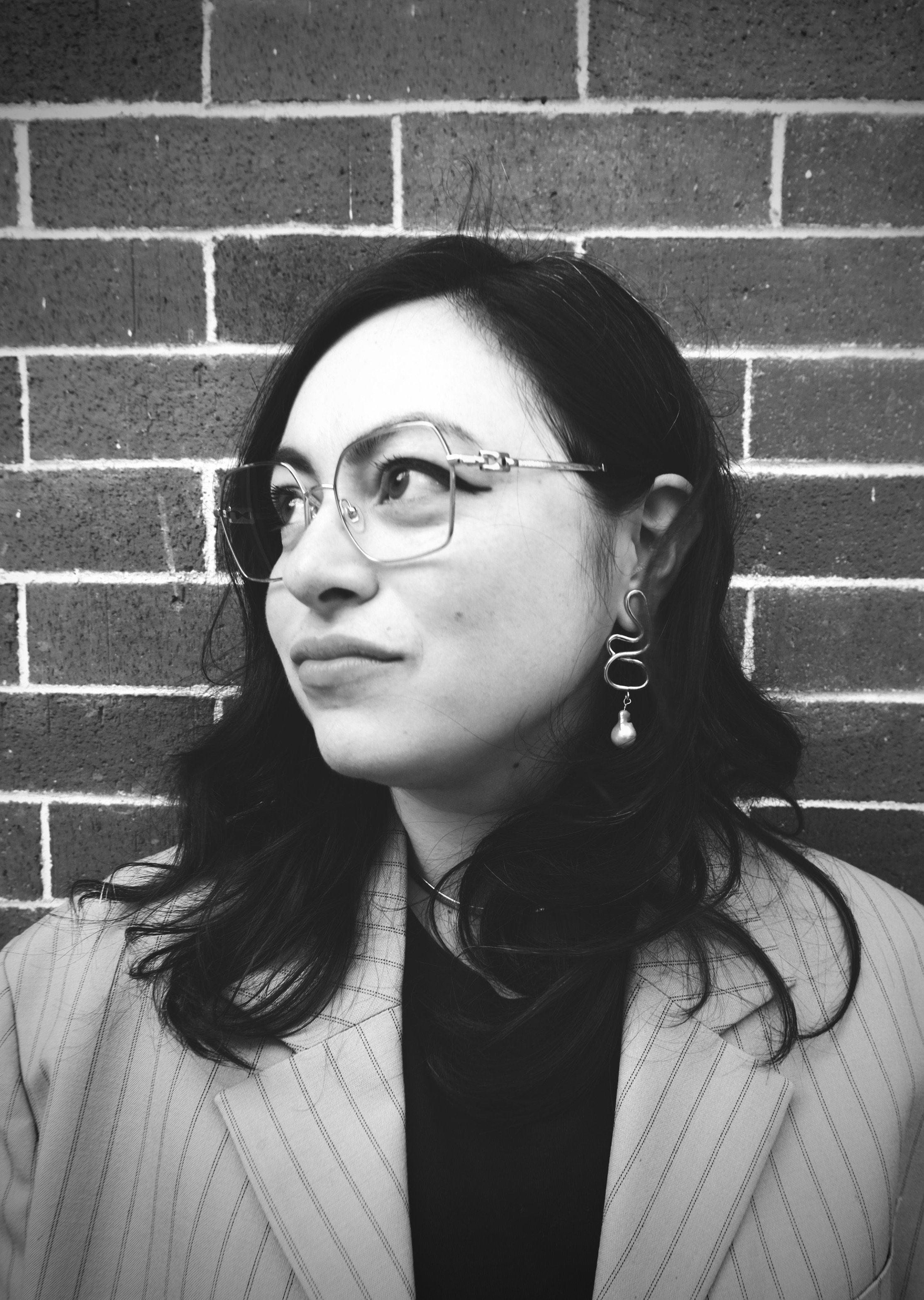
Noelani Piters is a writer of Kanaka ‘Ōiwi, Chinese, and haole descent living in San Francisco. A recipient of fellowships from Indigenous Nations Poets, VONA, and PEN America, she was a finalist for the 2025 James Welch Prize, and a 2023 Molokai Arts Center Artist in Residence. Her work can be found in Zyzzyva, Poetry Northwest, The Hopkins Review, Poetry, swamp pink, and elsewhere. She is at work on a poetry manuscript exploring the fragmentation of diasporic, mixed identity in the wake of familial loss and colonial rupture, and its restorying through the ancestral, the archival, and the ‘āina.
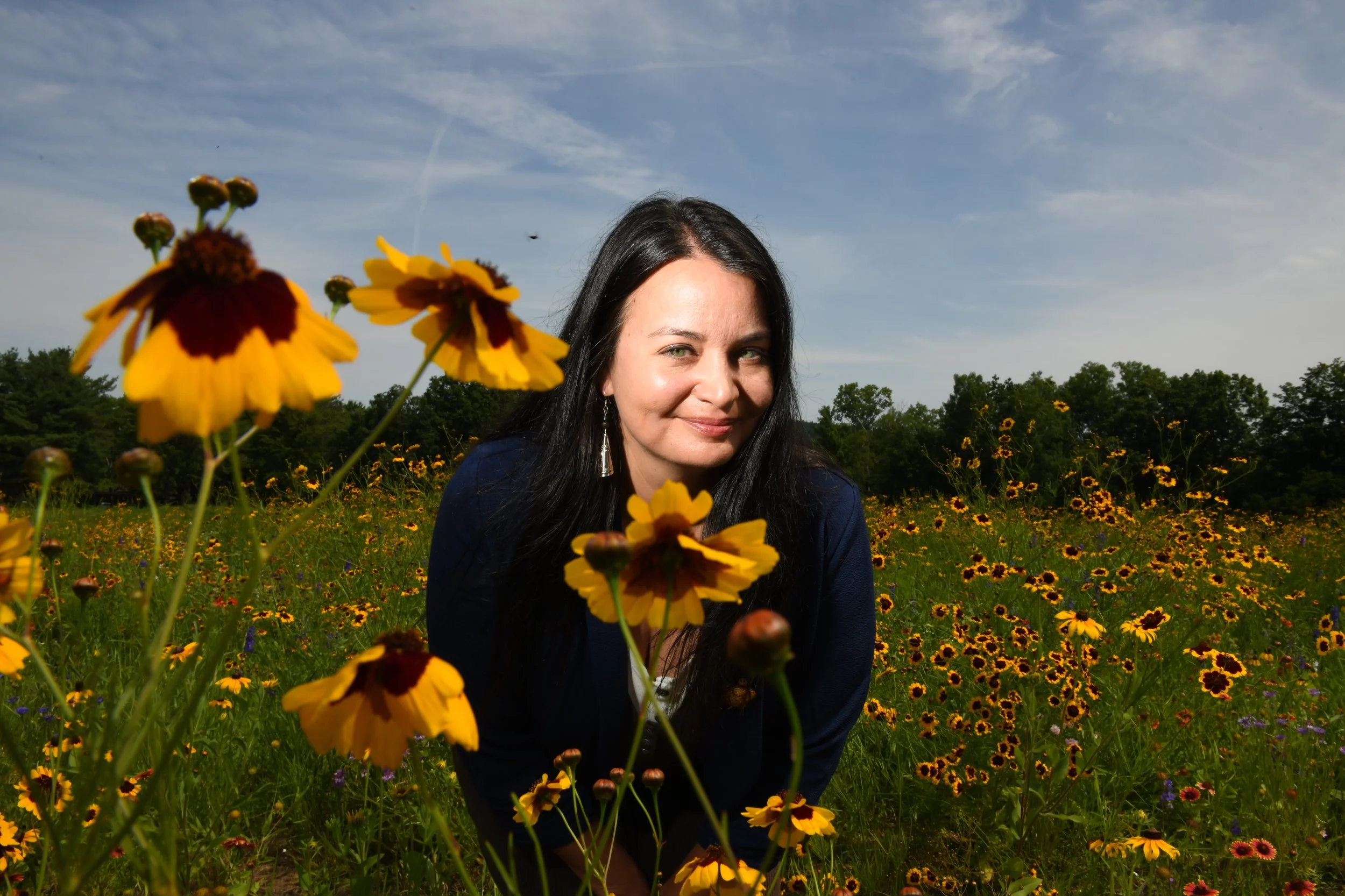
Bonney Hartley (Stockbridge-Munsee Mohican) is an MFA-Creative Writing graduate from Institute of American Indian Arts, a 2024 and 2025 Indigenous Nations Poets Fellow, and a 2025 Forge Project Fellow. Her work has been commissioned for several exhibits and appears in Stonecoast Review, The Last Milkweed (Tupelo Press), The Nature of our Times (Paloma Press) and Boundless (Amherst College Press), among others. She is co-founder of Mohican Writers Circle. Bonney lives in Mohican homelands in Massachusetts and serves her Tribe as a repatriation specialist. She is in progress with a poetry manuscript investigating Tribal removal, returns, and reclamation. Connect with her on Instagram @bonnhar.
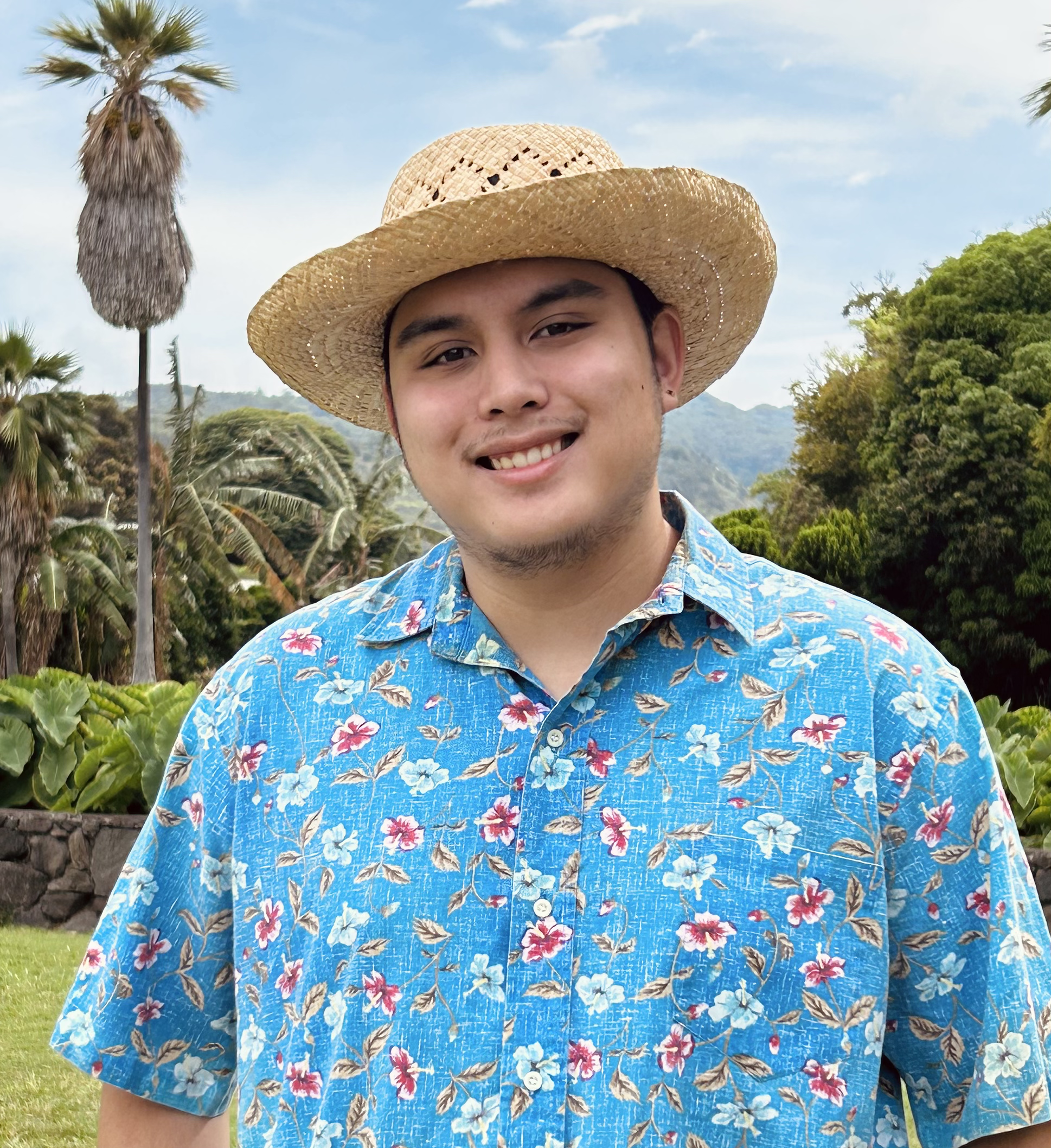
Donavan Kamakani Albano is a māhū and queer Kanaka ʻŌiwi poet from Kāneʻohe, Oʻahu. His work appears in Poetry Northwest, Pasefika Presence, and Chapter House Journal. He received a fellowship from Indigenous Nations Poets and an M.A. in Indigenous Politics from the University of Hawaiʻi at Mānoa. Kamakani’s developing manuscript traces a māhū ʻŌiwi’s journey through the confluence of wai (freshwater) and kai (saltwater) as a return to their native skin and language.
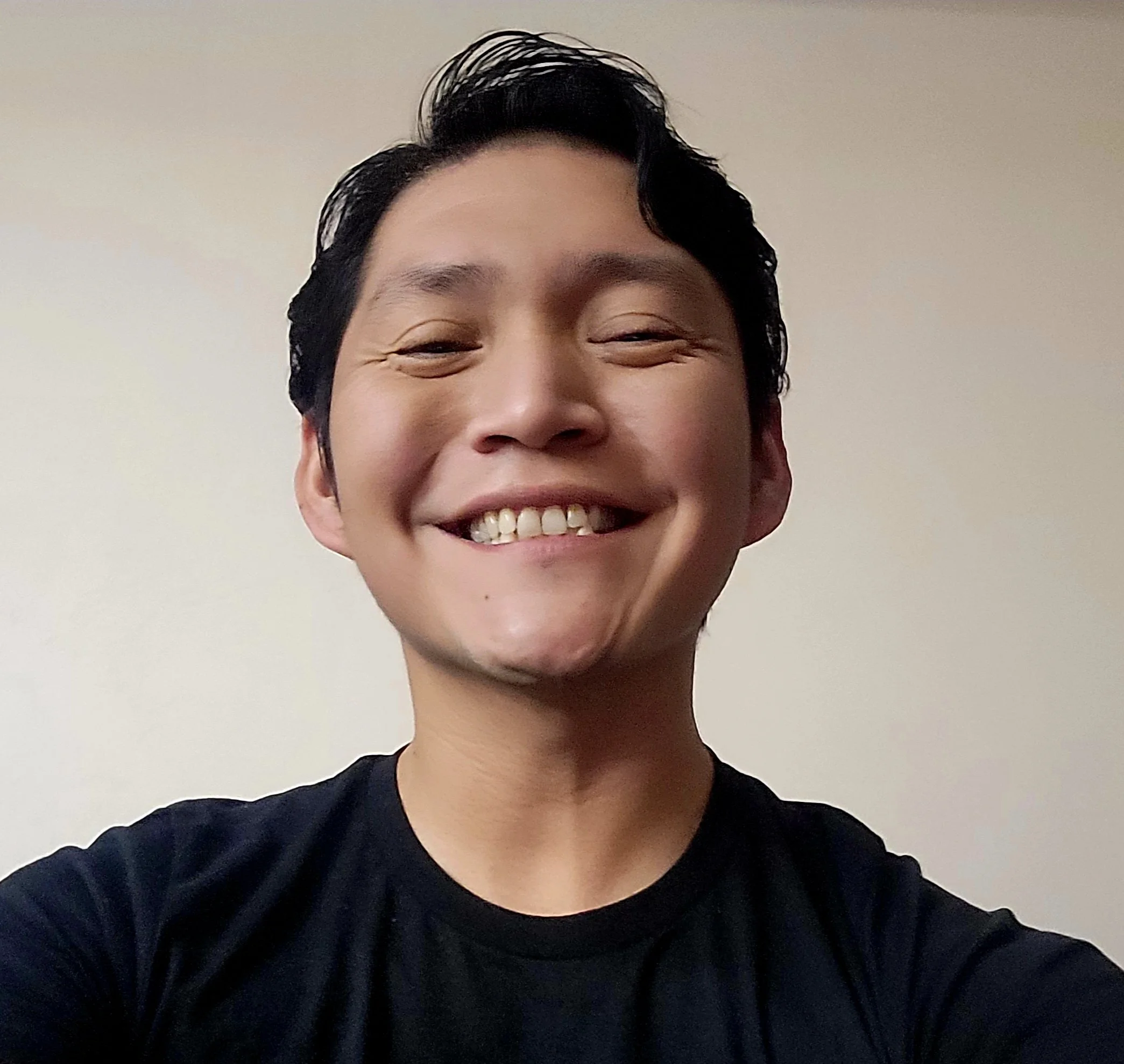
Kirbie Bennett is an essayist, poet and audio producer. His work has appeared in various publications, including The Durango Telegraph, High Country News, Chapter House Journal, Last Real Indians and Four Corners Voices, Volumes 1 and 2. He is also part of the creative team behind The Magic City of the Southwest, a regional history podcast. Kirbie is from the Navajo Nation and Durango, Colorado is another place he calls home. He is currently in the middle of assembling a manuscript for a poetry collection.
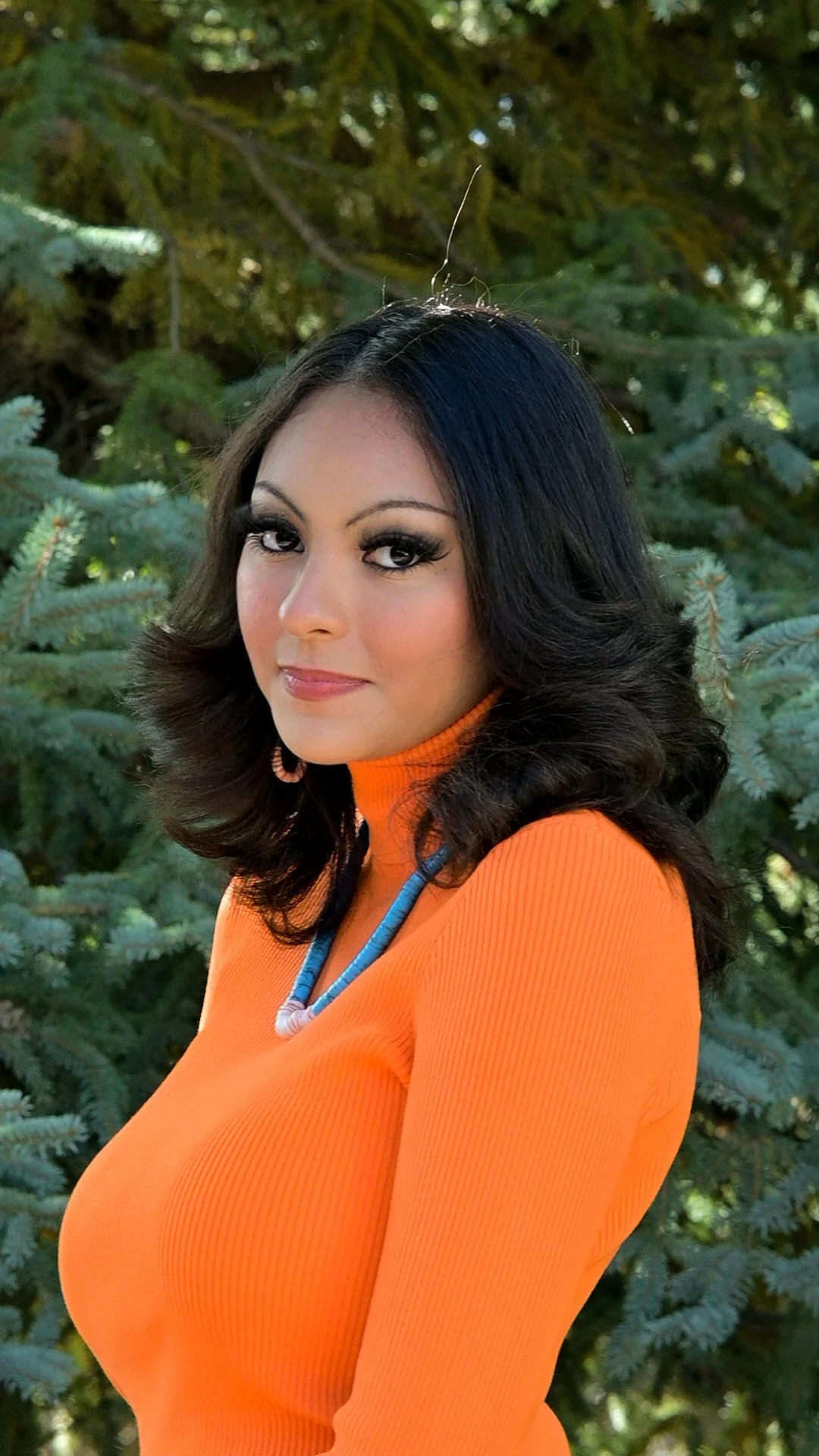
Cheyenne Dakota Williams is a Diné poet originally from Virginia. She is Bit’ahnii, born for Naahiłii. Her work has appeared in Yellow Medicine Review, Saw Palm: Florida Literature & Art, Poetry Magazine, Chapter House Journal, and anthologized in Beyond the Glittering World: An Anthology of Indigenous Feminisms and Futurisms. She is an AWP Tribal Colleges & Universities Fellow, and winner of the 2025 Frederick Bock Prize. Her work has received support from Elk Rivers Writers Workshop, McCormack Writing Center, and the Voices for the West Writing Workshop.
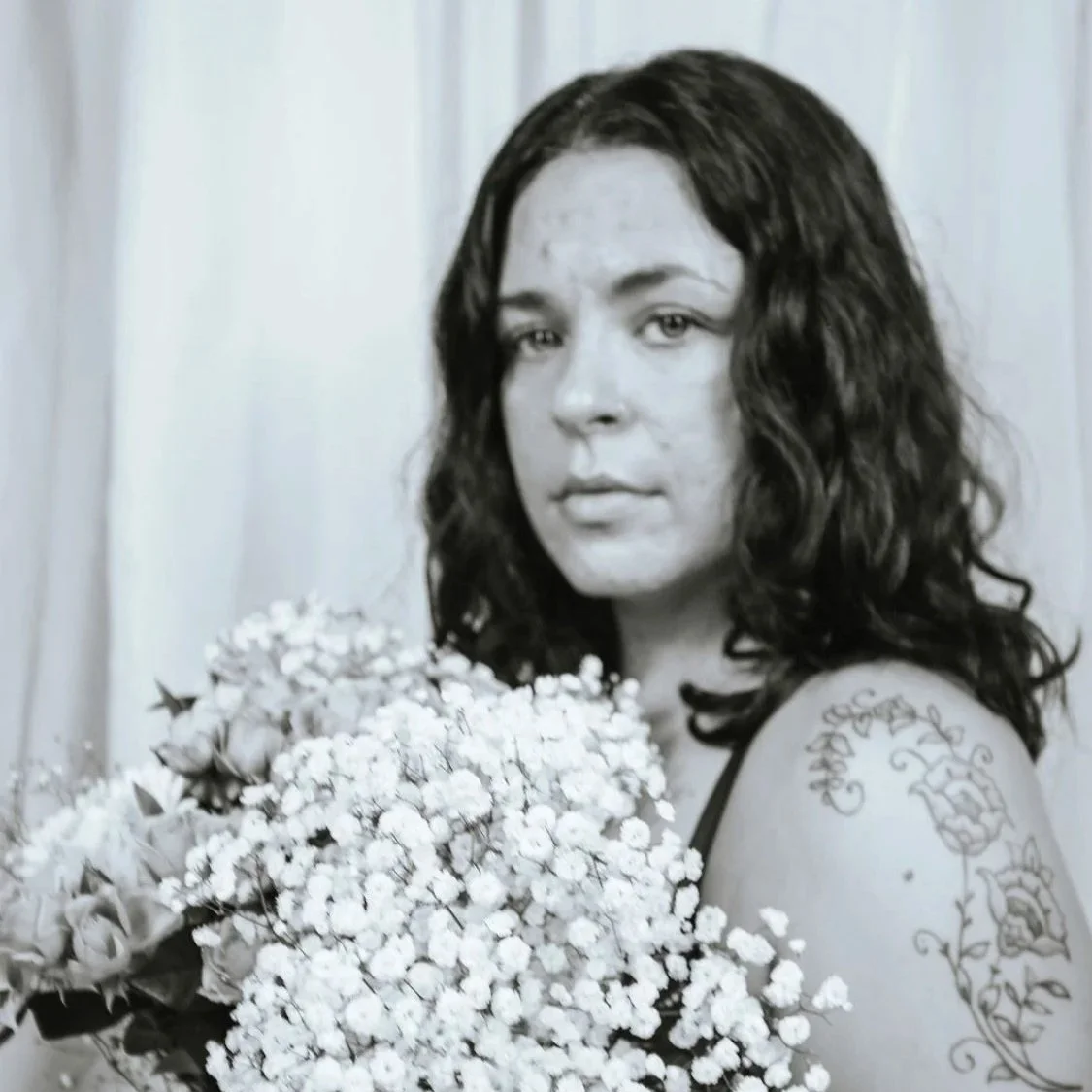
Claire Maracle is a Kanien’kehá:ka (Mohawk) member of the Six Nations of the Grand River, raised as a guest on Muscogee, Osage, and Cherokee land. This experience directly informs their work in rematriation and their conviction that language is the key to transcending displacement. They co-founded Poetic Justice, bringing literacy and poetry workshops to carceral settings, that provided a framework for education as liberation. They served as Lead Educator for Louder Than a Bomb Oklahoma, helping Tulsa launch the first regional offshoot of the Chicago program. Claire dedicated their time mentoring youth in spoken word as a tool for self-determination and collective healing. Their short film i love you like science, received the Linklater Award for Best Dialogue at Austin Arthouse Film Festival. Their poetry has appeared in This Land Press, Anti Heroin Chic, Emerge Magazine, New Words Press, Wayfarer Magazine and elsewhere.
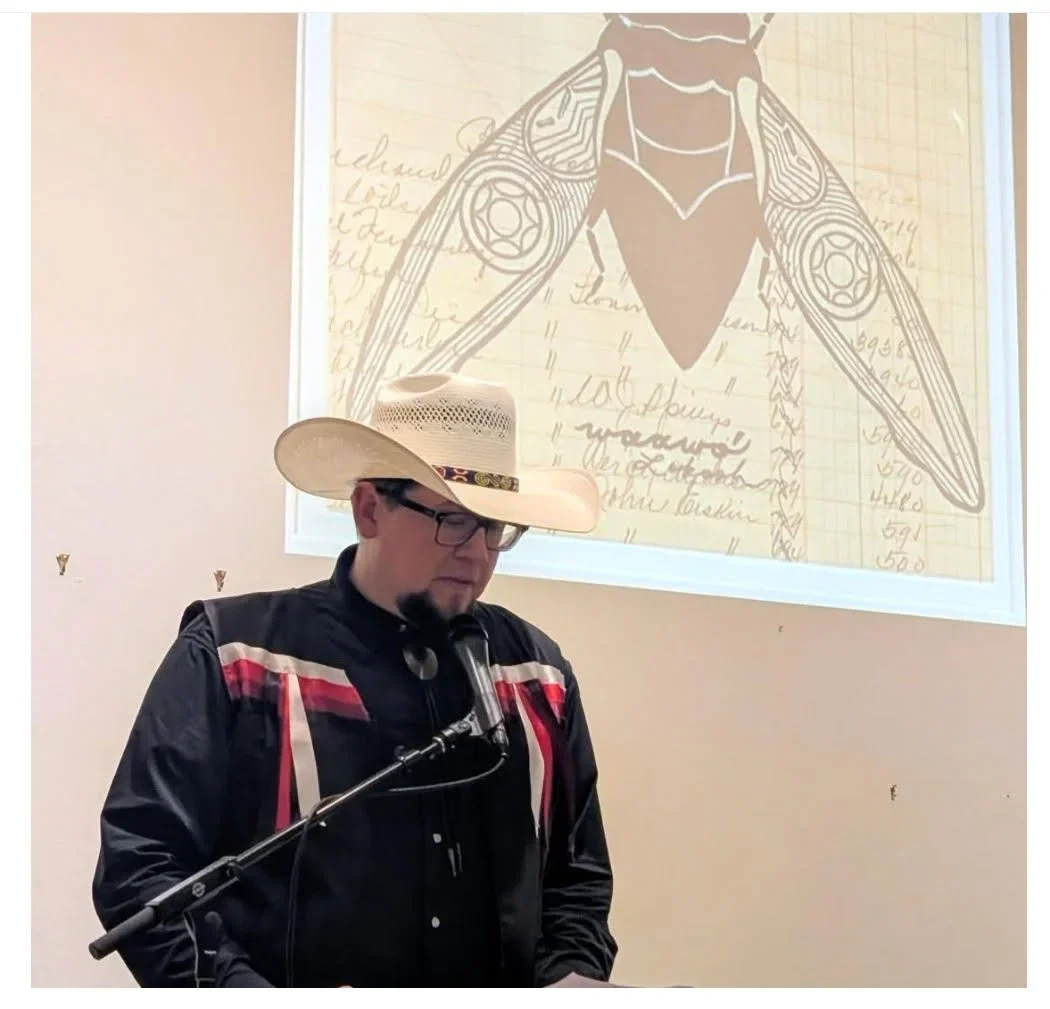
Lokosh (Joshua D. Hinson) is a citizen of the Chickasaw Nation.
A fluent speaker of the Chickasaw language, poet, and an award-winning artist, he holds a Bachelors of Fine Arts degree in Painting from Abilene Christian University, a master’s degree in Native American Art History from the University of New Mexico, and a PhD in Native Language Revitalization from the University of Oklahoma. He writes and makes art on the Chickasaw Nation Reservation, Ada, Oklahoma.
Hinson, whose Chickasaw name Lokosh translates as “Gourd,” is of the Imatapo (Their Lean-to People) house group and Kowishto' (Panther) clan.
Lokoshꞌs manuscript-in-progress, with my tongue half dead: poems, is an exploration of a life lived in the inbetween: a self-confessed college-onset ndn, born off-reservation, phenotypically white, and a bilingual speaker of Chikashshanompaꞌ now living and writing on the Chickasaw Reservation among his people.