
About the Work
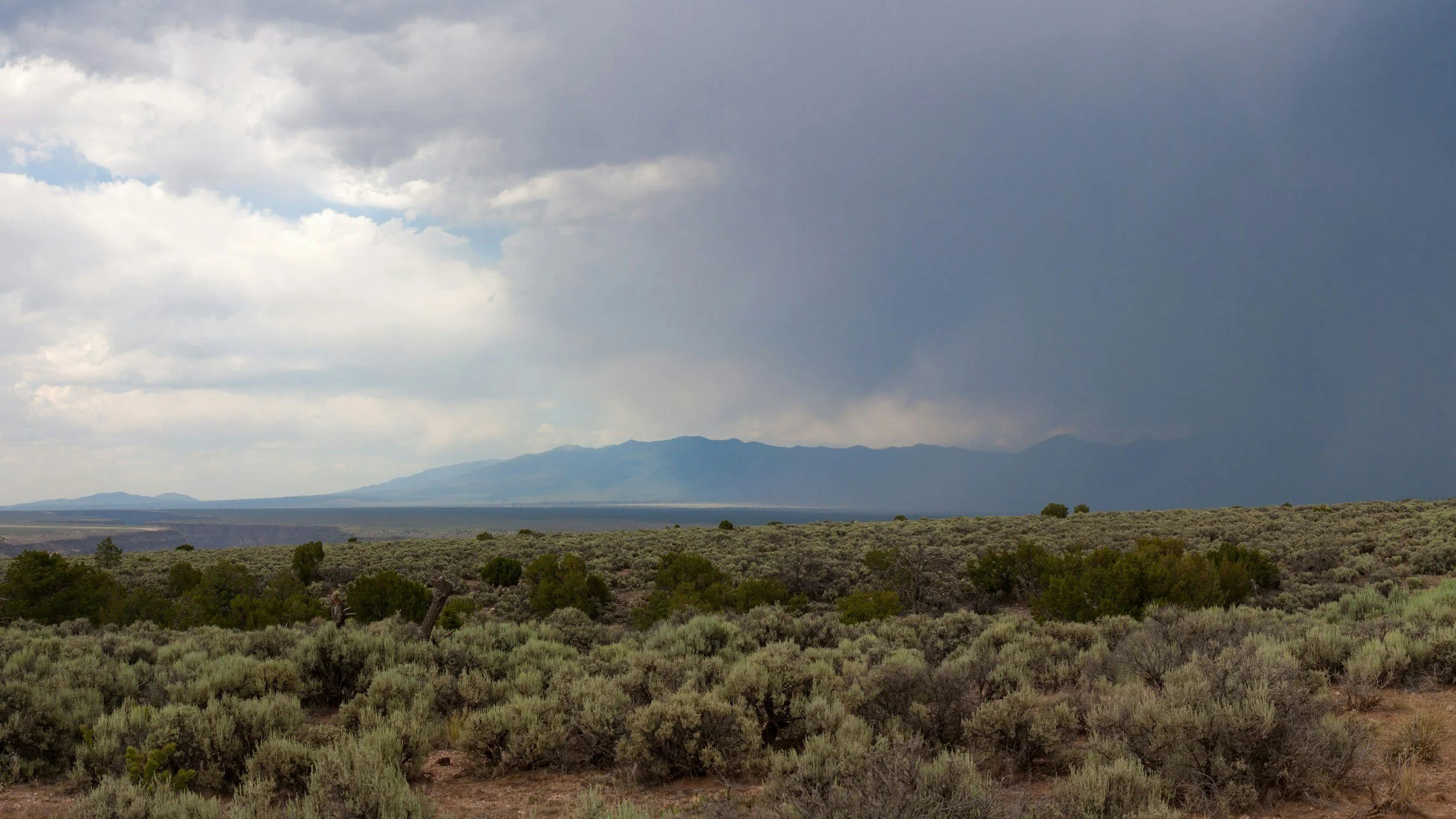
The work of Hootso is informed by Diné lifeway that centers balance and comprised of four interrelated principles: conceptualization, actualization, action, and reflection.* Together these principles describe a cyclical process in which ideas are conceived, shaped into action, practiced in community, and reflected upon in order to renew a cycle of becoming.
Hootso was founded by Jake Skeets who performs as its Executive Director.** The concept of Hootso was developed through conversations with many Diné and Native artists and writers and has been supported through funding by the Navajo Nation Poet Laureateship. The initial conceptualization began with a Junior Faculty Fellowship Grant Skeets received from the University of Oklahoma.
*This language is borrowed from Diné scholar Dr. Vincent Werito in his essay from the book Diné Perspectives, edited by Dr. Gregory Cajete and Dr. Lloyd Lee
**This language was borrowed from Chris E. Vargas and the Museum of Trans Hirstory and Art.
The projects of Hootso move through this rhythm of conceptualization, actualization, action, and reflection as interrelated elements of a larger endeavor rooted in Diné thought and lifeway. These projects are intended to overlap, warp, and shift as they encounter art, writing, and community. The projects are mapped as follows:
Nitsáhákees — Thinking
This principle involves conceptualization and ideation. Within Hootso, this stage is represented by the Countermapping project, a creative research project and practice that convenes artists to examine how artistic ecosystems emerge across communities, institutions, and landscapes.
Nahat’á — Planning
Planning and actualization transform ideas into creative form. Pollentongue, a poetry lab and salon, inhabits this principle by creating space for artists to experiment with language, develop craft, and think collectively about contemporary Indigenous poetics. Future goals include widening this space into an arts lab and salon so work can move across genre and medium.
Iiná — Living
This stage represents action and relationship, i.e. the moment when ideas enter the world through lived experience and community engagement. The Saad Prize, a literary award and incubator, embodies this principle by bringing storytelling into public life through workshops, gatherings, and recognition of Diné artists, writers, and storytellers.
Siihasin — Reflection
Reflection completes the cycle by gathering insight and knowledge from lived experience and carrying it forward. A forthcoming phase of Hootso will focus on this principle through a modular exhibition, publication, and archival platform that presents performances, publications, and documentation of Diné and Indigenous artistic practice in an evolving constellation of works.
Together these projects form an ongoing artistic practice that moves between inquiry, experimentation, public engagement, and reflection. In this way, Hootso continues to evolve as a living artistic installation that creates space for artistic exchange, cultural dialogue, and future-making through Diné and Indigenous creative practice.

Frequently Asked Questions
-
A public arts initiative creates opportunities for artists and communities to gather, collaborate, and exchange ideas as both creative and civic practice. Rather than focusing solely on the production of individual artwork, public arts initiatives support the cultural conditions that allow artistic work to emerge and circulate. This may include workshops, conversations, research projects, publications, and community gatherings that strengthen artistic networks and support the development of creative practice. At its core, a public arts initiative is about building capacity; creating spaces where artists can learn from one another, experiment, and develop new ideas together.
-
Inspired by Chris E. Vargas and the Museum of Trans Hirstory and Art, Hootso is also a conceptual art project because the initiative itself is understood as an artwork.. Conceptual art emphasizes ideas, processes, and relationships as artistic materials. Within Hootso, the gatherings, conversations, workshops, and collaborations that take place through its projects are not simply programs that support art, they are part of the artwork itself.
This approach reframes what artistic production can look like. Artists are not machines meant only to produce objects. They are thinkers, collaborators, and cultural workers whose ideas, relationships, and conversations shape creative practice. The dialogue that unfolds through Hootso becomes part of the artistic work.
-
Hootso is not a traditional institution. It does not operate as a museum, nonprofit organization, or permanent cultural center. Hootso, instead, works with a range of institutions, such as universities, cultural organizations, community groups, and literary programs. These partnerships make it possible for projects to take shape in different places and contexts, remaining adaptive to the art.
-
Please use the contact page below to get in touch.